
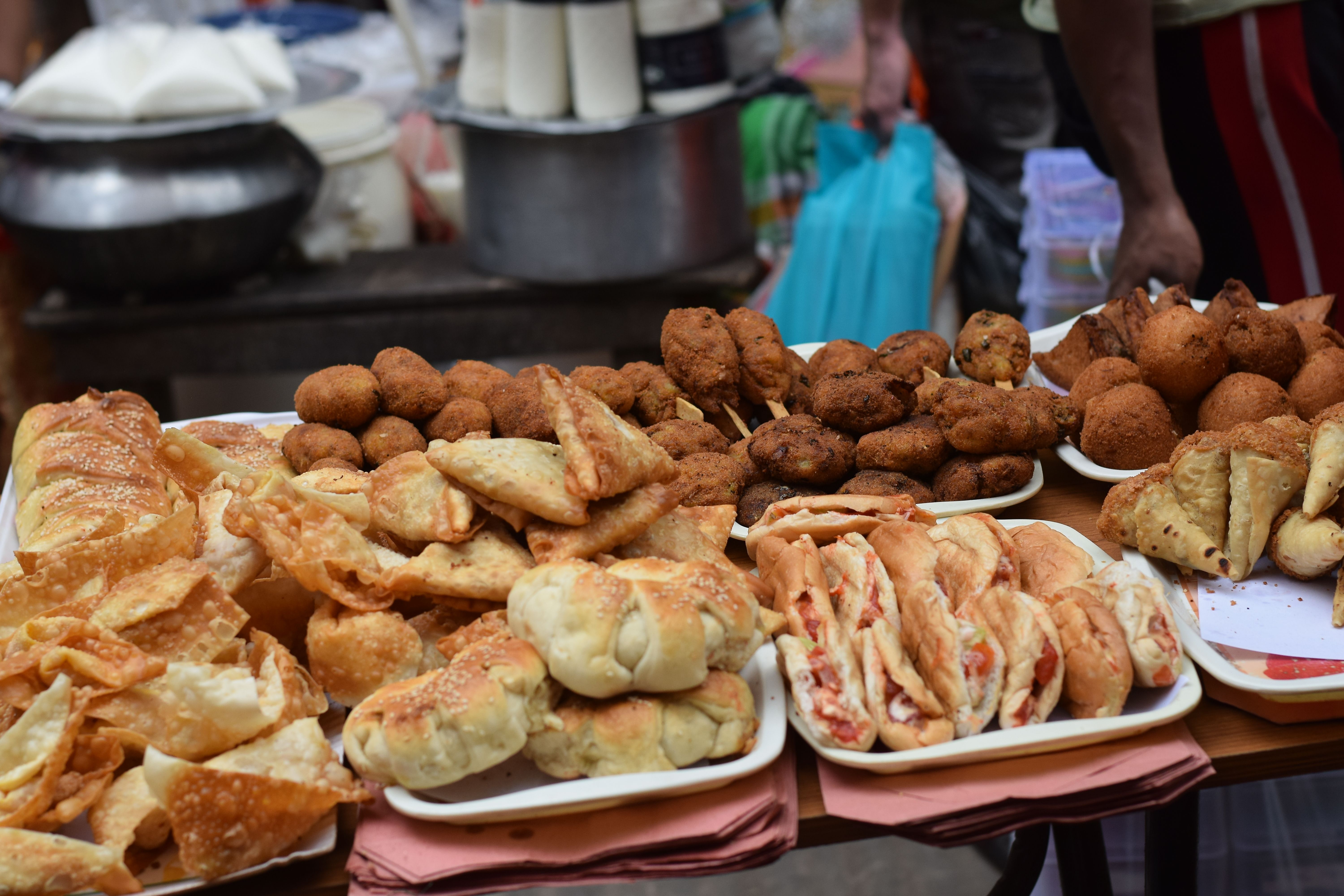
Discover how to indulge in delicious global cuisines while making a positive impact. Our 2026 guide reveals the best sustainable culinary tours, eco-friendly dining experiences, and responsible travel agencies for your next food-focused adventure. Compare top ethical options and book your unforgettable, guilt-free gastronomic journey today!
Introduction to the Topic
In 2026, the allure of travel remains as strong as ever, but the way we explore the world – especially through its food – has undergone a profound transformation. Gone are the days when culinary exploration was solely about indulgence; today, it’s about impact. Travelers are increasingly seeking out experiences that not only tantalize their taste buds but also align with their values, contributing positively to local communities and the planet. This isn't just a trend; it's the new standard for conscious explorers.
Welcome to the era of sustainable culinary travel. As we navigate a world more aware of its environmental footprint and social responsibilities, the demand for ethical food adventures has skyrocketed. From farm-to-table experiences in sun-drenched vineyards to zero-waste cooking classes in bustling city centers, the landscape of food tourism is evolving. This comprehensive guide from seabeachtravel.com will help you navigate the best options for tasting the world responsibly, ensuring your gastronomic journey is as enriching for the planet as it is for your palate.
Backgrounds & Facts
The urgency behind sustainable culinary travel stems from stark realities. Traditional tourism, while economically beneficial, often carries a heavy environmental and social cost. Consider the global food system: an estimated one-third of all food produced for human consumption is wasted annually, a staggering figure that contributes significantly to greenhouse gas emissions. In the context of travel, this waste is often exacerbated by buffet-style dining, imported ingredients, and a lack of local sourcing in many hotel and resort operations.
Furthermore, the carbon footprint associated with transporting exotic ingredients across continents, coupled with the energy demands of large-scale hospitality, presents a significant challenge. However, the good news is that consumer awareness has reached an all-time high in 2026. Data shows that a substantial majority of travelers are now willing to pay a premium for experiences that are certified sustainable and actively support local economies. This shift has catalyzed a revolution within the travel and food industries, pushing operators to adopt more ethical practices, from reducing food waste and plastic consumption to ensuring fair wages for local producers and preserving indigenous culinary traditions.
Sustainable culinary tourism, when executed thoughtfully, can be a powerful force for good. It fosters genuine cultural exchange, empowers small-scale farmers and artisans, reduces the environmental impact of food production and consumption, and educates travelers on the provenance of their meals. It's about shifting from being passive consumers to active participants in a global food ecosystem that thrives on respect and responsibility.
Expert Opinion / Analysis
We sat down with Dr. Anya Sharma, CEO of the renowned Global Green Gastronomy Institute, a leading authority on ethical food systems and sustainable tourism. According to Dr. Sharma, "The biggest challenge in 2026 is ensuring genuine transparency. Many companies are 'greenwashing,' making claims without verifiable action. Travelers need to look beyond marketing slogans and seek out robust certifications and clear evidence of impact."
Dr. Sharma emphasizes the crucial role of local communities. "True sustainable culinary travel is community-led. It means ensuring that the economic benefits stay within the local economy, supporting small producers, and respecting cultural heritage. It's about empowering indigenous food traditions, not commodifying them." She points to the rise of technology as a key enabler. "In 2026, apps and platforms are emerging that use blockchain to track food provenance, allowing travelers to see exactly where their meal came from and its journey to their plate. This level of transparency is transformative."
She also highlights the growing importance of "regenerative tourism" within the culinary sphere. "It's no longer enough to just 'sustain'; we must actively regenerate. This means culinary experiences that contribute to soil health, biodiversity, and cultural revitalization. Think foraging tours that replant native species, or cooking classes that revive nearly forgotten recipes, thereby preserving cultural identity." Dr. Sharma advises travelers to research not only the destination but also the specific operators' commitment to these deeper ethical principles, ensuring their investment contributes to a truly positive cycle.
💰 Best Options in Comparison (VERY IMPORTANT)
Ready to embark on your own ethical culinary adventure? In 2026, the options are more diverse and impactful than ever. We've curated the top categories of sustainable food travel experiences, designed to satisfy your wanderlust and your conscience. Whether you're a hands-on learner, a discerning diner, or an urban explorer, there's a perfect ethical journey waiting for you.
- Immersive Culinary Retreats & Farm Stays: These experiences offer a deep dive into local food systems. Imagine spending a week on an organic farm in Tuscany, learning to make pasta from scratch with locally milled flour, harvesting vegetables from the garden, and participating in the daily rhythms of sustainable agriculture. Or perhaps a spice sanctuary in Southeast Asia, where you forage for ingredients and learn traditional cooking techniques directly from indigenous communities. These retreats prioritize direct community engagement, skill acquisition, and a minimal environmental footprint, often offering accommodation right on-site.
- Curated Ethical Food Tours & Walking Experiences: Perfect for urban explorers and those seeking authentic local flavors. These guided tours, often led by local experts, take you off the beaten path to discover small, family-run eateries, bustling farmers' markets, and hidden culinary gems that adhere to strict ethical sourcing and waste reduction practices. Picture a 'Zero-Waste Food Walk' through Copenhagen's trendy neighborhoods or an 'Indigenous Ingredients Tour' in the Amazon, where every bite tells a story of cultural preservation and environmental respect.
- Eco-Conscious Luxury Dining & Resort Experiences: For those who desire indulgence without compromise. A new wave of high-end resorts and restaurants has emerged, pioneering sustainable practices at scale. These establishments often boast robust sustainability certifications, implement cutting-edge zero-waste kitchen technologies, and actively contribute to local conservation efforts or community development funds. Imagine a gourmet meal crafted from ingredients sourced within a 10-mile radius, served in a setting that's powered by renewable energy, overlooking a pristine marine reserve that your stay helps protect.
- Digital Platforms for Vetting & Booking: The digital landscape of 2026 offers specialized aggregators designed to connect travelers with certified sustainable restaurants, cooking classes, and food tours globally. These platforms provide transparency through detailed vetting processes, user reviews, and clear indicators of ethical practices. They make it easier than ever to discover and book experiences that align with your values, from a plant-based cooking class in Lisbon to a sustainable seafood tasting in Iceland.
To help you compare and choose, here's a detailed breakdown of these best options:
| Provider/Service Category | Specialty & Focus | Key Ethical Practices | Price Point | Ideal For |
|---|---|---|---|---|
| Immersive Culinary Retreats & Farm Stays | Deep-dive cooking, farm-to-table, skill development, rural settings | Local sourcing, community engagement, low-impact living, educational focus | $$ - $$ | Hands-on learners, slow travelers, skill seekers, cultural immersion |
| Curated Ethical Food Tours & Walking Experiences | Local markets, street food, small eateries, guided cultural walks, urban/rural | Support local businesses, cultural preservation, waste reduction, authentic encounters | $ - $$ | Authentic explorers, urban adventurers, quick insights, diverse palates |
| Eco-Conscious Luxury Dining & Resort Experiences | High-end gastronomy, resort stays, fine dining, integrated experiences | Robust certifications, conservation funding, zero-waste initiatives, pioneering sustainability | $$ | Indulgent travelers, special occasions, pioneering sustainability, premium service |
| Digital Platforms for Vetting & Booking | Aggregated sustainable restaurants, tours, classes, global reach | Transparency, vetting process, user reviews, diverse ethical options | $ - $$ | Flexible planners, research-savvy travelers, diverse options, convenience |
Outlook & Trends
The future of sustainable culinary travel in 2026 and beyond promises even more innovation and personalization. We anticipate several key trends shaping how we eat and explore responsibly:
- Hyper-Personalization via AI: Artificial intelligence will play an even greater role, curating ethical food experiences based on individual dietary preferences, values (e.g., vegan, gluten-free, zero-waste), and desired impact. AI-powered travel planners will seamlessly integrate sustainable options into itineraries, making conscious choices effortless.
- Regenerative Culinary Journeys: Moving beyond merely minimizing harm, the focus will shift to actively regenerating environments and cultures. This means culinary tours that involve planting trees, restoring coral reefs, or participating in projects that revive traditional farming methods and biodiversity.
- Blockchain for Food Provenance: Enhanced transparency will be paramount. Blockchain technology will allow travelers to trace every ingredient from farm to fork, verifying its origin, ethical sourcing, and environmental footprint, building unparalleled trust.
- Community-Led & Indigenous Experiences: There will be an even stronger emphasis on direct bookings with local communities and indigenous groups, ensuring that economic benefits directly support those who are stewarding traditional lands and culinary heritage, cutting out intermediaries.
- "Food as Medicine" Travel: Culinary experiences will increasingly integrate wellness and health, focusing on ethically sourced, nutrient-dense foods that cater to specific dietary needs and promote holistic well-being, often tied to local healing traditions.
These trends point towards a future where food travel is not just about eating, but about learning, connecting, healing, and actively contributing to a better world.
Conclusion
In 2026, the world's kitchens are more open and welcoming than ever, offering a tapestry of flavors, traditions, and stories. But the true richness now lies not just in the taste, but in the positive impact your journey creates. Sustainable culinary travel is more than a choice; it's an opportunity to experience authentic culture, support local economies, and protect our planet's precious resources.
As you plan your next adventure, remember that every meal is a decision, and every booking is a vote for the kind of world you want to see. Utilize the insights and options provided in this guide to make informed choices. Start planning your impact-positive culinary journey today, and savor the unforgettable flavors of a world explored with conscience and care. Your plate, and the planet, will thank you.