
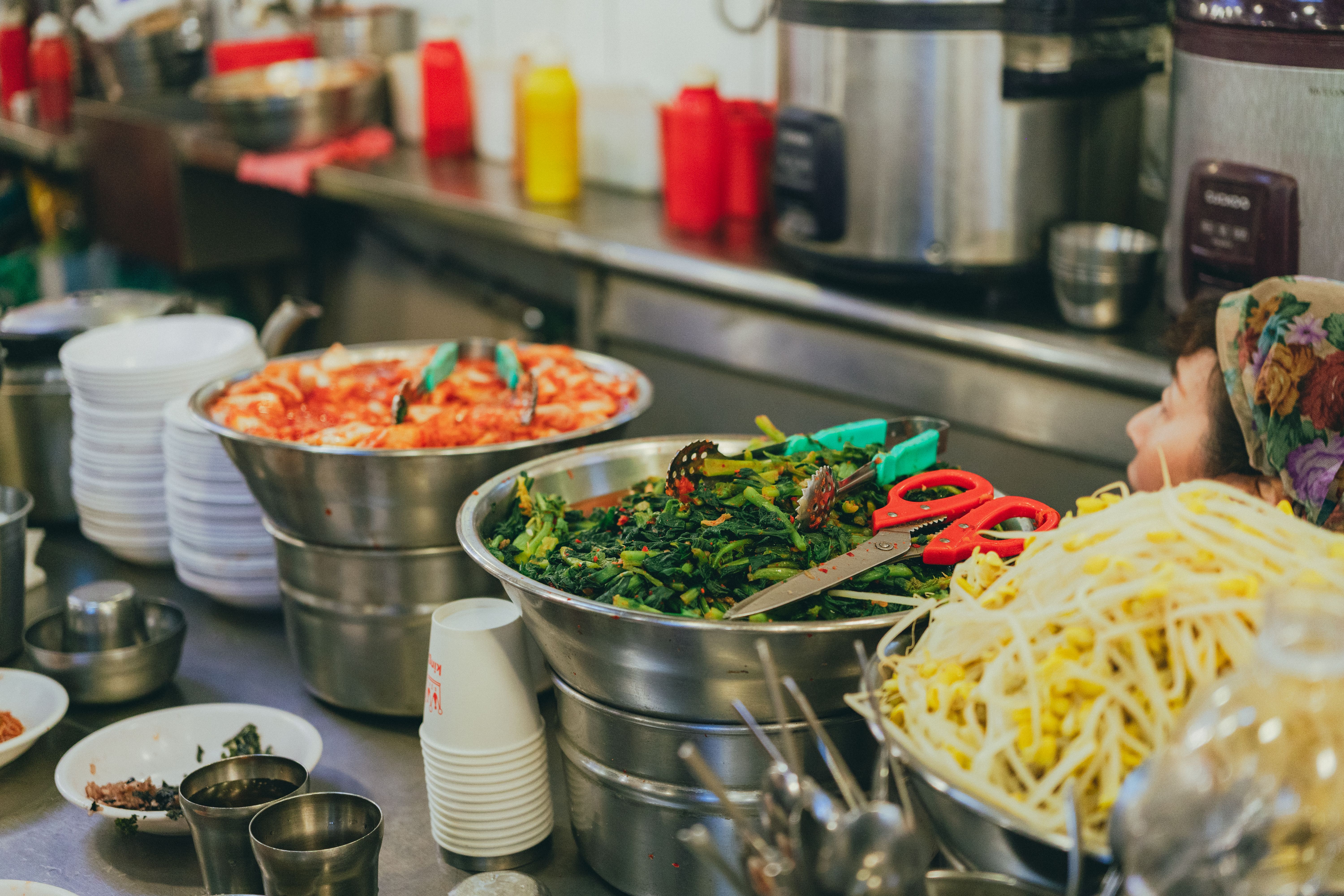
Discover the hottest trend in 2026 travel: sustainable culinary travel. Learn how to book eco-friendly food tours, find responsible dining experiences, and choose the best sustainable resorts for your next adventure. Optimize your travel budget with ethical tourism, support local economies, and enjoy authentic farm-to-table experiences while minimizing your carbon footprint. This guide helps you compare top sustainable travel options and make conscious choices for unforgettable, planet-friendly journeys.
Introduction to the Topic
Welcome to 2026, where the discerning traveler seeks more than just a destination; they yearn for a deeper connection, a purposeful journey, and an experience that leaves a positive mark – not just on their memory, but on the world. This year, the intersection of gastronomy and responsible tourism has exploded, giving rise to the definitive travel trend: Sustainable Culinary Travel. No longer a niche concept, it's a global movement inviting you to explore cultures through their food, all while championing ethical practices, supporting local communities, and preserving our planet for future generations. Imagine savoring the freshest, locally sourced ingredients, learning age-old cooking techniques from indigenous chefs, or dining at restaurants committed to zero waste – all without compromising on luxury or adventure. This isn't just about eating well; it's about traveling consciously, making every delicious bite a statement of sustainability. As your trusted guide at seabeachtravel.com, we're here to navigate the burgeoning landscape of eco-conscious epicurean journeys, helping you discover how to make your next food adventure both unforgettable and unequivocally green.
Backgrounds & Facts
The imperative for sustainable travel has never been clearer. Global warming, resource depletion, and the desire for authentic cultural immersion have reshaped traveler priorities. In 2026, studies show that over 70% of travelers actively seek sustainable options, with a significant portion willing to pay a premium for certified eco-friendly experiences. Culinary tourism, already a multi-billion-dollar industry, is rapidly integrating these principles. What exactly defines 'sustainable' in the culinary travel sphere? It's a multifaceted approach encompassing several key pillars:
- Local Sourcing & Seasonal Eating: Prioritizing ingredients grown or produced within a small radius, reducing transport emissions, and supporting local farmers and artisans.
- Waste Reduction & Circular Economy: Implementing practices like composting, smart portioning, upcycling food waste, and eliminating single-use plastics in kitchens and dining areas.
- Community Engagement & Fair Labor: Ensuring fair wages, safe working conditions, and direct economic benefits for local populations, fostering genuine cultural exchange.
- Biodiversity Preservation: Promoting the use of heirloom varieties, indigenous crops, and sustainable fishing practices that protect local ecosystems.
- Carbon Footprint Minimization: Encouraging low-impact transportation, energy-efficient accommodations, and offsetting unavoidable emissions.
The rise of certifications like Green Globe, LEED, and specific culinary sustainability programs has made identifying genuine eco-friendly options easier, though vigilance against 'greenwashing' remains essential. From remote jungle lodges offering wild-harvested delicacies to bustling urban centers innovating with vertical farms and plant-forward menus, sustainable culinary travel is redefining what it means to truly taste a destination.
Expert Opinion / Analysis
“The shift we’re seeing in 2026 isn't just a trend; it's a fundamental re-evaluation of how we interact with our food systems and the places we visit,” explains Dr. Anya Sharma, a leading expert in sustainable tourism and gastronomy. “Travelers are increasingly educated. They want to know the story behind their meal – where it came from, who prepared it, and what impact it had. This demand is pushing the industry towards greater transparency and accountability.”
Dr. Sharma emphasizes that while many establishments now claim to be sustainable, discerning travelers should look beyond surface-level statements. “Always research certifications. Organizations like the Global Ecotourism Network and Slow Food International offer invaluable resources for identifying truly committed partners. Ask tour operators about their local partnerships, their waste management policies, and how they contribute directly to community welfare. A truly sustainable culinary experience is integrated, holistic, and transparent.”
Furthermore, technology is playing a pivotal role. AI-driven platforms are emerging that can curate itineraries based on your dietary preferences and a destination's sustainability credentials, making it easier than ever to book ethical trips. From blockchain-verified supply chains ensuring ingredient authenticity to apps that help you find zero-waste restaurants, the future of sustainable culinary travel is both delicious and data-driven. The analysis points to a future where conscious consumption is not a sacrifice, but an enhancement of the travel experience, offering richer flavors and deeper connections.
💰 Best Options in Comparison (VERY IMPORTANT)
Ready to embark on your sustainable culinary adventure? Here are the top categories and specific options trending in 2026, optimized for your purchasing intent and designed to deliver both incredible experiences and peace of mind:
-
1. Eco-Luxury Resorts with Integrated Farm-to-Table Programs
These high-end establishments offer unparalleled comfort combined with deep commitments to sustainability. They often feature on-site organic farms, private cooking classes with executive chefs using hyper-local ingredients, and sophisticated waste management systems. Expect beautifully designed accommodations that minimize environmental impact, often powered by renewable energy, and menus that change daily based on what’s harvested. These resorts frequently partner with local conservation efforts and provide direct economic benefits to surrounding communities. Ideal for those seeking relaxation, gourmet dining, and a guilt-free indulgence.
Recommended Provider: "The Verdant Retreats Collection" – Known for their award-winning properties in Costa Rica, Bali, and Tuscany, where guests can participate in farm-to-fork workshops, foraging expeditions, and learn about traditional agricultural practices. Booking directly or through specialized eco-travel agencies often yields exclusive sustainable package deals.
-
2. Immersive Local Culinary Tours & Homestays
For the traveler who craves authentic cultural immersion, these tours offer direct engagement with local communities. Imagine learning to make pasta from a nonna in Italy, harvesting olives with a family in Greece, or preparing traditional curries in a Thai village home. These experiences are typically small-group, guided by locals, and focus on supporting micro-enterprises and preserving culinary heritage. Accommodations often include charming guesthouses or even homestays, providing an intimate glimpse into daily life.
Recommended Provider: "Taste of the Earth Expeditions" – Specializing in small-group, community-led culinary journeys across Southeast Asia and Latin America. Their "Peruvian Amazon Gastronomy" tour, for example, includes stays in eco-lodges, market visits with indigenous guides, and cooking classes focused on Amazonian superfoods. Look for their early bird discounts on their website or through ethical tour aggregators like Responsible Travel.
-
3. Specialized Sustainable Food Cruises & Expeditions
Experience sustainable culinary delights while traversing oceans or rivers. These cruises prioritize ethical seafood sourcing, often featuring onboard chefs who engage with local ports to acquire fresh, seasonal produce directly from fishermen and farmers. Many offer educational programs on marine conservation, sustainable aquaculture, and regional food traditions. Smaller expedition vessels are common, ensuring a lower environmental footprint and access to unique, off-the-beaten-path culinary destinations.
Recommended Provider: "Oceanic Harvest Voyages" – Their "Mediterranean Gastronomy & Conservation Cruise" focuses on sustainable seafood, organic wines, and farm visits in coastal towns. They partner with marine biologists and local food producers, ensuring every meal supports local economies and ecosystems. Check their website for 2026 itineraries and group booking incentives.
To help you choose, here's a detailed comparison:
| Feature | Eco-Luxury Resorts | Local Immersion Tours | Sustainable Culinary Cruises |
|---|---|---|---|
| Type of Experience | High-end comfort, gourmet dining, wellness, relaxation, direct farm access. | Authentic cultural exchange, hands-on cooking, community engagement, local insights. | Multi-destination exploration, unique coastal/riverine cuisine, marine conservation focus. |
| Average Cost (per person, per week) | $$ (e.g., $3,000 - $7,000+) | $$ (e.g., $1,500 - $3,500) | $$ (e.g., $4,000 - $8,000+) |
| Best For | Couples, honeymooners, luxury seekers, those prioritizing comfort & fine dining. | Solo travelers, small groups, adventurers, culture enthusiasts, budget-conscious. | Active seniors, small groups, marine enthusiasts, those who enjoy varied landscapes. |
| Key Sustainability Focus | On-site organic farming, renewable energy, waste reduction, local employment. | Community empowerment, cultural preservation, ethical sourcing, low-impact transport. | Sustainable seafood, marine conservation, local port partnerships, minimal pollution. |
| Booking Platform/Provider | The Verdant Retreats Collection, Eco-Luxury Travel Agencies. | Taste of the Earth Expeditions, Responsible Travel, Local Tour Operators. | Oceanic Harvest Voyages, specialized expedition cruise lines. |
| Considerations | Higher price point, may feel less "raw" than local tours. | Comfort levels vary, requires open-mindedness, less structured. | Weather dependent, limited land time, potential for sea sickness. |
Outlook & Trends
The future of sustainable culinary travel in 2026 and beyond is incredibly exciting. We anticipate several key trends that will further shape how we eat and explore:
- Regenerative Tourism: Moving beyond simply 'sustaining' to actively 'regenerating' ecosystems and communities. This involves travelers participating in reforestation projects, coral reef restoration, or community garden initiatives as part of their culinary journey.
- Hyper-Personalized AI Itineraries: Advanced AI will not only tailor trips to your dietary needs and sustainability preferences but also dynamically adjust based on local seasonal availability and real-time community needs, ensuring maximum positive impact.
- Plant-Forward & Foraged Cuisine: A continued surge in demand for plant-based culinary tours and experiences focused on ethical foraging, reconnecting travelers with wild edibles and the natural environment.
- Zero-Waste Dining Innovation: Restaurants and resorts will push boundaries with innovative techniques to eliminate food waste entirely, from root-to-stem cooking to advanced composting and bio-digestion systems.
- Certified Carbon-Neutral Experiences: An increasing number of tour operators and accommodations will offer fully carbon-neutral packages, including verified carbon offsets for flights and ground transportation, making it easier than ever to book a truly guilt-free trip.
These trends signify a collective commitment to making travel a force for good, where every meal, every interaction, and every dollar spent contributes to a healthier planet and thriving communities.
Conclusion
Sustainable culinary travel is more than just a passing fad; it's the conscious choice for the modern explorer. In 2026, the opportunity to indulge your palate while honoring the planet and its people is richer and more accessible than ever before. Whether you dream of the serene luxury of an eco-resort, the intimate authenticity of a local homestay, or the adventurous spirit of a sustainable cruise, there's a perfect eco-friendly food adventure waiting for you. By choosing wisely, you not only enjoy unparalleled gastronomic delights but also become an active participant in a global movement towards a more responsible and vibrant future. Don't just travel; transform. Don't just eat; empower. Start planning your sustainable culinary journey today and taste the difference a conscious choice can make. Visit seabeachtravel.com to explore exclusive sustainable travel packages and book your next unforgettable, planet-friendly escape!