
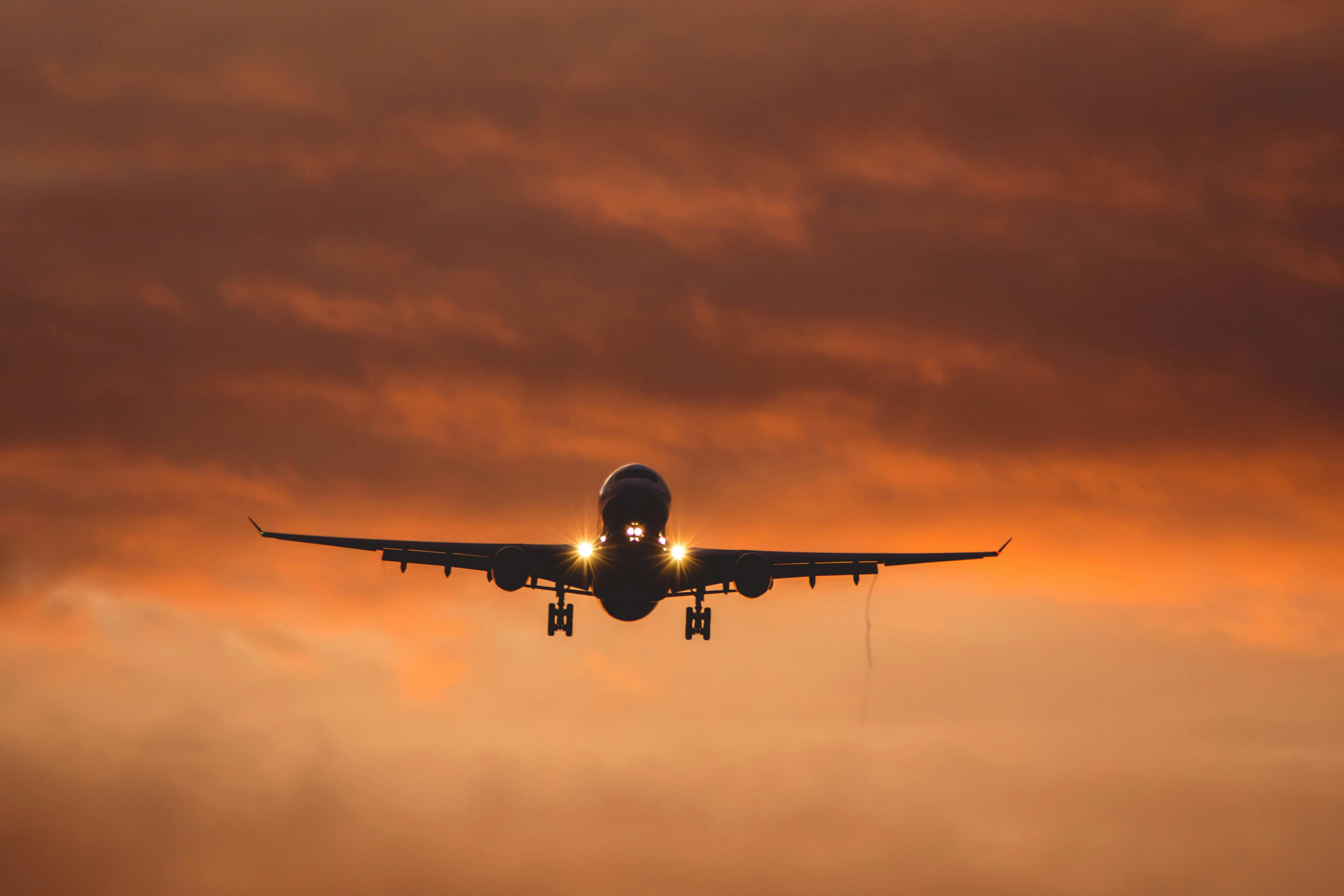
As we navigate 2026, sustainable aviation fuel (SAF) is transforming air travel. Discover how to book eco-friendly flights, compare leading sustainable airlines, and find the best green travel deals to reduce your carbon footprint while exploring the world.
Introduction to the Topic
Welcome to 2026, where the skies are not just for flying, but for flying smarter, cleaner, and greener. For years, the environmental impact of air travel has been a major concern for eco-conscious globetrotters. But a quiet revolution has been brewing, and in 2026, it's finally taking center stage: Sustainable Aviation Fuel (SAF). No longer a niche concept, SAF is rapidly becoming a cornerstone of airline operations, driven by global commitments, technological advancements, and an increasing demand from travelers like you who want to explore without compromising the planet.
At seabeachtravel.com, we understand that your wanderlust is matched only by your desire to make responsible choices. This comprehensive guide will equip you with everything you need to know about navigating the evolving landscape of eco-friendly flights. We'll delve into what SAF means for your travel plans, highlight the airlines leading the charge, and, most importantly, show you how to identify and book the best sustainable travel deals for your next adventure. Get ready to embrace a new era of low-carbon flying and discover how your next flight can contribute to a healthier planet.
Backgrounds & Facts
Sustainable Aviation Fuel (SAF) isn't just a buzzword; it's a game-changer. Unlike traditional jet fuel derived from fossil sources, SAF is produced from renewable raw materials, known as feedstocks. These can range from used cooking oil and agricultural waste to municipal solid waste and even captured carbon dioxide. The magic of SAF lies in its ability to significantly reduce greenhouse gas emissions – typically by up to 80% over the fuel's lifecycle compared to conventional jet fuel, depending on the feedstock and production pathway.
By 2026, global SAF production has seen exponential growth, though it still represents a small percentage of total fuel consumption. However, ambitious targets set by governments and industry bodies, such as the EU's ReFuelEU Aviation initiative and the U.S. SAF Grand Challenge, are pushing for massive scaling. Airlines are increasingly mandated or incentivized to incorporate higher blends of SAF into their operations. This means that when you book a flight today, there's a growing chance that a portion of the fuel powering your journey is sustainable.
The benefits extend beyond reduced carbon emissions. SAF can also lead to fewer contrails, potentially mitigating their warming effect, and often results in lower particulate matter emissions. While the current cost of SAF remains higher than conventional jet fuel, ongoing technological innovations, increased production capacity, and policy support are steadily driving prices down, making eco-friendly flights more accessible to the average consumer. This shift isn't just about PR; it's about a fundamental transformation of the aviation industry towards a net-zero future.
Expert Opinion / Analysis
Industry experts agree: SAF is the most viable near-term solution for decarbonizing aviation. Dr. Anya Sharma, a leading aviation sustainability analyst, states, "In 2026, SAF isn't just an option; it's an imperative. While electric and hydrogen aircraft hold long-term promise, SAF offers an immediate, drop-in solution that leverages existing infrastructure and aircraft technology. The biggest challenge now is scaling production and ensuring a truly sustainable supply chain for feedstocks."
From a traveler's perspective, the increased availability of SAF is a powerful lever for making conscious choices. "Consumers are more informed and demanding transparency," explains Mark Jenkins, CEO of Green Skies Consulting. "They want to know their travel dollars support responsible practices. Airlines that invest heavily in SAF and clearly communicate their efforts are seeing a significant boost in brand loyalty and bookings from the growing segment of eco-conscious travelers. This isn't just about 'doing good'; it's smart business, directly impacting their CPM and RPM as demand for green travel deals soars."
The economic landscape is also shifting. Governments are implementing carbon pricing mechanisms and tax credits for SAF production, creating a more level playing field. This means that while you might still pay a slight premium for a 'green' fare today, the gap is narrowing, and the value proposition of supporting sustainable airlines is becoming increasingly clear. Furthermore, many airlines are integrating SAF contributions into their loyalty programs, allowing travelers to earn bonus points or status for choosing greener options, further incentivizing the shift.
💰 Best Options in Comparison (VERY IMPORTANT)
Choosing an eco-friendly flight in 2026 is easier than ever, thanks to airlines actively investing in SAF and transparent carbon offset programs. Here are some of the top contenders and how to compare your best options for a greener journey:
- Delta Air Lines: A leader in the U.S. market, Delta has committed to replacing 10% of its jet fuel with SAF by 2030. They've invested in multiple SAF production ventures and offer robust carbon offset programs through verified partners. Look for their 'Green Fare' options on select routes.
- United Airlines: United has been a pioneer, making the largest-ever SAF purchase agreement by an airline. They operate hundreds of flights annually using SAF blends and launched the 'Eco-Skies Alliance' to partner with corporate customers on SAF investments. Their booking engine often highlights flights with SAF usage.
- Lufthansa Group (including SWISS, Austrian Airlines): European powerhouse Lufthansa is heavily invested in SAF, aiming for 20% SAF use by 2030. They offer 'Green Fares' that include SAF contributions and full carbon offsetting, allowing passengers to actively choose and pay for a reduced footprint.
- KLM Royal Dutch Airlines: Known for its strong sustainability focus, KLM has been purchasing SAF for years and has ambitious targets. They actively encourage corporate partners and individual travelers to contribute to their SAF program, often providing transparent reporting on their website.
- Alaska Airlines: A West Coast leader, Alaska has committed to being carbon neutral by 2040 and is actively pursuing SAF partnerships, particularly for flights out of key hubs. They offer a straightforward carbon offset program during booking.
When booking, always look for specific airline sustainability pages, check their SAF commitments, and explore their carbon offset options. Many booking platforms are also starting to integrate 'green scores' or SAF indicators directly into search results.
Key Airline Sustainability Comparison (2026 Snapshot)
| Airline | SAF Commitment (by 2030) | Carbon Offset Programs | Unique Green Initiative | Booking Integration |
|---|---|---|---|---|
| Delta Air Lines | 10% SAF replacement | Verified partner projects | 'Green Fare' options, SAF investments | Highlighted on select routes |
| United Airlines | Significant SAF purchase agreements | Direct contributions, 'Eco-Skies Alliance' | Frequent SAF-powered flights | SAF usage indicators |
| Lufthansa Group | 20% SAF use target | 'Green Fares' with SAF & offset | Direct SAF contribution options | Explicit 'Green Fare' selection |
| KLM Royal Dutch Airlines | Ambitious SAF targets (details vary) | Corporate & individual SAF contributions | Transparent reporting, active advocacy | SAF contribution prompts |
| Alaska Airlines | Carbon neutral by 2040 (SAF a key component) | Straightforward offset program | Focus on regional SAF partnerships | Option to offset during booking |
By comparing these options, you can make an informed decision that aligns with your values and helps drive demand for more sustainable aviation solutions. Don't forget to check loyalty programs for 'green' incentives!
Outlook & Trends
The future of sustainable air travel in 2026 and beyond is incredibly dynamic. We can anticipate several key trends:
- Increased SAF Blending Mandates: Governments worldwide will continue to raise SAF blending mandates, ensuring that a larger percentage of every flight you take uses sustainable fuel. This will accelerate production and drive down costs.
- Advanced Feedstocks & Technologies: Research into novel SAF feedstocks, such as direct air capture CO2-to-fuel and advanced algae-based fuels, will mature. We'll also see more efficient production methods, making SAF even more scalable and cost-effective.
- Hydrogen and Electric Aircraft on Horizon: While SAF dominates the near-term, significant investments are pouring into hydrogen-powered and electric aircraft for shorter routes. By the late 2020s, we might see initial commercial flights, particularly in regional air travel, offering truly zero-emission options.
- Personalized Green Travel Planning: AI-powered travel platforms will become even more sophisticated, offering personalized recommendations for eco-friendly flights, calculating your carbon footprint per journey, and suggesting verified offset projects tailored to your preferences.
- Transparency and Certification: Expect greater transparency from airlines regarding their actual SAF usage and robust third-party certification schemes to verify sustainability claims, helping consumers make truly informed choices.
The trajectory is clear: air travel is moving towards a much greener future. Your choices as a traveler play a vital role in accelerating this transition.
Conclusion
In 2026, flying sustainably isn't just a dream; it's a tangible reality. With the rapid adoption of Sustainable Aviation Fuel, coupled with innovative carbon offset programs and growing airline commitments, you have more power than ever to make eco-conscious travel choices. By understanding which airlines are leading the charge, comparing their green initiatives, and actively seeking out sustainable flight deals, you become a part of the solution.
Your next beach getaway or international adventure can be both thrilling and responsible. Embrace the green revolution in the skies and help pave the way for a healthier planet. Start planning your greener journey today and experience the satisfaction of knowing your wanderlust contributes to a sustainable future. Visit seabeachtravel.com for the latest updates on eco-friendly travel options and exclusive deals!