
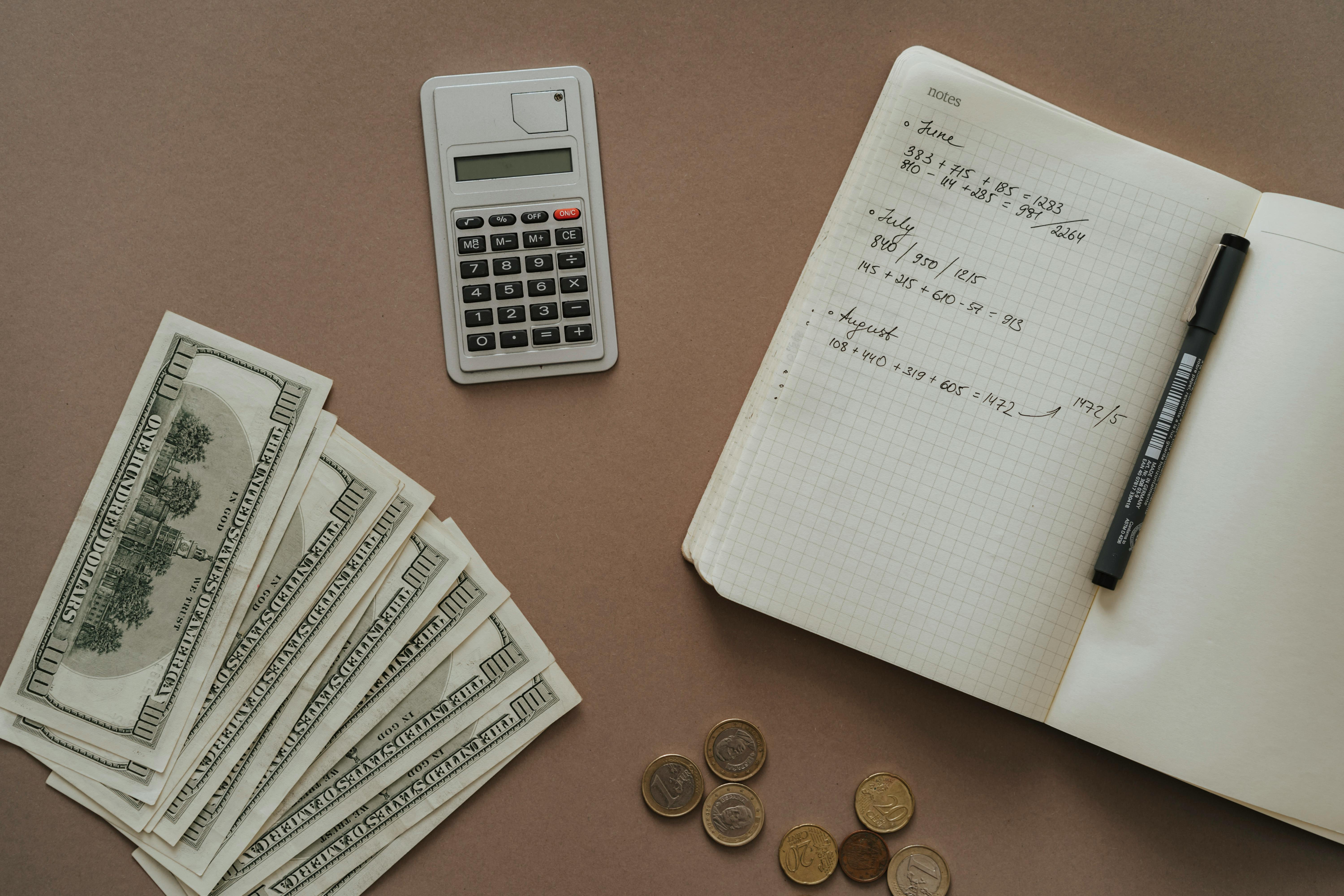
I spent a week on a coast deliberately trying to keep costs down, and recorded everything, mostly to find out where the money actually goes on a beach holiday rather than where I assumed it went.
Two things surprised me and one changed how I plan.
Accommodation was not the main cost
It was the largest single line and it was a smaller share of the total than I expected — a bit over a third.
Which means that optimising accommodation aggressively, which is what most budget advice focuses on, addresses a third of the problem.
The rest was food, transport, activities and a long tail of small things that individually looked trivial.
Food was the largest category combined
Not any single meal, but the total across a week, and specifically the meals eaten out of convenience rather than choice.
The pattern was familiar from other trips. Breakfast cheap, lunch expensive and unsatisfying because I was out and hungry, dinner variable.
The expensive lunches were the whole problem. Eaten at whatever was near where I happened to be at one o'clock, at seafront prices, chosen under time pressure.
The fix, which I applied in the second half of the week, was buying food in the morning and carrying it. That single change cut the food total for the remaining days by more than half, and the food was better because it came from a market rather than from a beachfront kiosk.
The small things added up more than anything
The genuinely surprising line.
Parking, repeatedly. Sunbed and umbrella hire. Bottled water, several a day in the heat. Coffee. A drink somewhere with a view. Entry to two small things I would not have sought out.
Individually all trivial, collectively a substantial fraction of the week, and none of them planned or noticed at the time.
The water alone was significant, which is the easiest thing on the list to eliminate with a refillable bottle where the tap water is drinkable, and by buying large containers rather than small ones where it is not.
Where the money was well spent
Being fair to the expensive parts.
One boat trip, which was the most memorable thing in the week and cost less than three days of the small incidental spending.
Accommodation in a location I could walk from, which eliminated transport entirely and was worth more than the difference in room rate.
And a proper meal at a place that was genuinely good, once, which was better value than four mediocre meals eaten out of necessity.
The pattern is the one I keep arriving at: the deliberate expensive things are good value and the accidental cheap things are not.
What I would do differently
Buy lunch in the morning, always. This is the single largest available saving on a beach trip and it takes ten minutes.
Carry water rather than buying it.
Choose accommodation within walking distance of the beach and the town, which removes parking and transport as categories entirely.
Decide in advance on one or two paid activities and budget for them properly, rather than spending the same amount on things I did not choose.
And bring a towel, a mat and shade rather than hiring, which pays for itself within two days.
The things not worth economising on
Learned from getting them wrong.
Sunscreen, where buying the cheapest and using it sparingly is a false economy that produces a ruined day.
Footwear that grips on wet rock, where the failure mode is an injury.
Anything to do with getting to the airport on time at the end.
And insurance, particularly on a trip involving water, where the sums at risk are large relative to the premium.
The total
The week came in at roughly two thirds of what a comparable week had cost me previously, and it was not a worse week.
Most of that difference came from three habits — lunch bought in the morning, water carried, and accommodation chosen for location — none of which involved doing less.
The parts that would have made it feel like an economy trip, such as skipping the boat or eating badly for a week, I did not do, and I would not.
The comparison against staying home
One thing the tracking made clear that I had not thought about.
A meaningful share of the week's spending was on things I would have spent money on anyway — food, principally, and some transport.
The genuine additional cost of the trip was accommodation, travel to get there, and the specifically holiday spending, which was a considerably smaller number than the total.
That framing made the boat trip look cheap and the accidental incidentals look expensive, which is the correct way round and the opposite of how it feels while spending.
What I did not track
For honesty. I did not count the cost of getting there, which for this trip was a short drive and which for a flight would dominate everything above.
Nor the equipment I already owned, which had been bought over years and which made the self-sufficient approach possible.
Both of those matter when comparing against somebody starting from nothing, and the week would read differently with either included.