
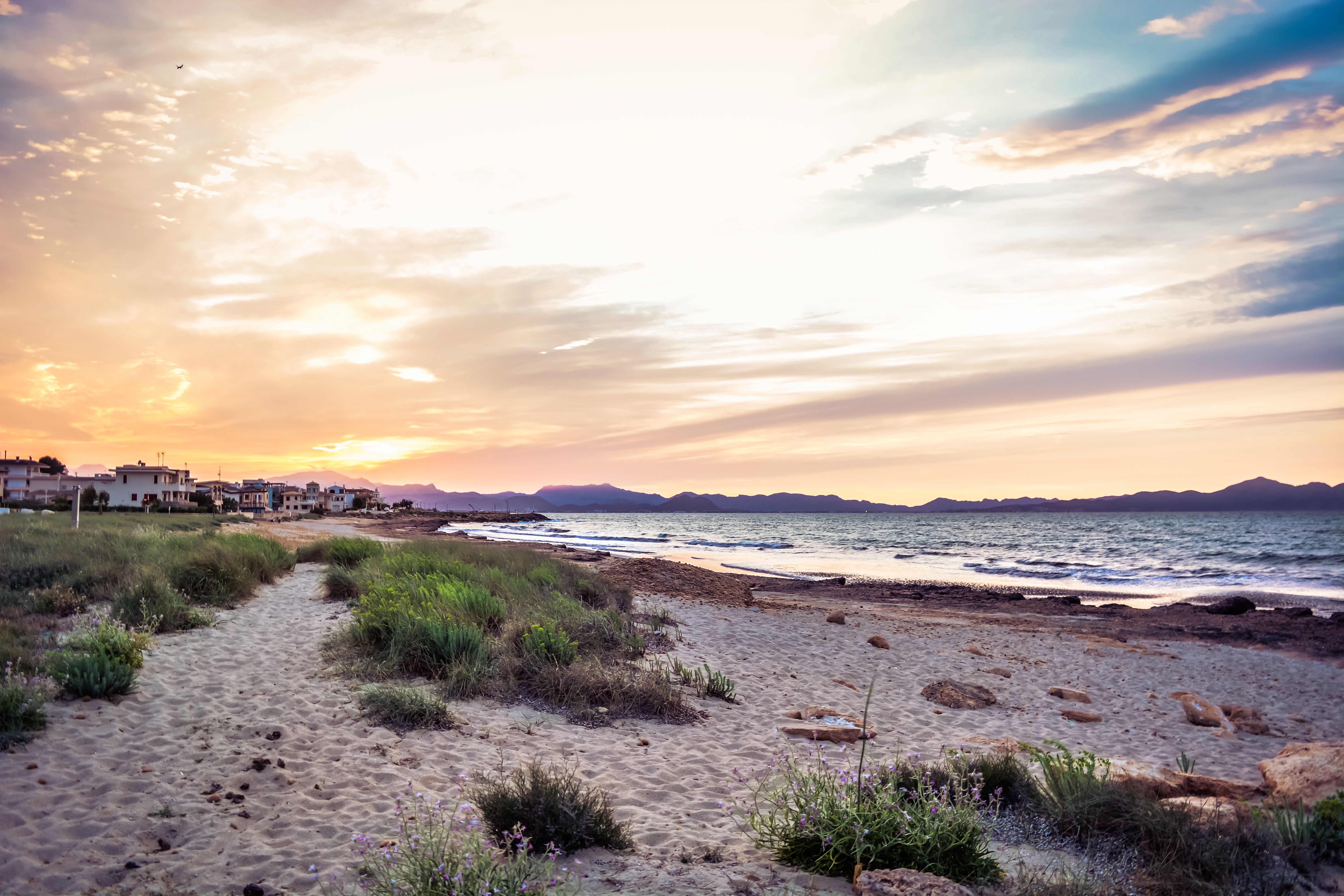
The dunes behind a beach are not scenery. They are a working part of the shoreline, and the restrictions placed on walking through them follow from what they do.
Dunes are built by wind and held by plants
Dry sand blown inland from the beach comes to rest wherever something slows the wind, and the first obstacles are usually clumps of salt-tolerant vegetation at the top of the shore.
Those plants grow upward through accumulating sand rather than being buried by it, which allows the mound to build steadily over years.
Their root systems then bind the sand together, converting a loose pile into a structure that can resist wind and, to a degree, water.
The system works as a sand reservoir
During storms, waves reaching the base of a dune cut into it and draw sand out onto the beach and offshore.
That erosion is the dune doing its job, supplying material that absorbs wave energy and protecting what lies behind it.
In calmer periods wind returns sand to the dune face and vegetation stabilises it again, so the system stores and releases material across seasons.
Damage concentrates at access points
Vegetation is easily killed by trampling, and once a path is worn through the surface, wind funnels into the gap and begins to excavate it.
These blowouts widen rapidly, because the exposed sand cannot resist the wind that the plants were previously slowing.
A single informal route across a dune ridge can therefore breach a system that took decades to form, which is why boardwalks and fencing are placed where they are.
Dune slacks hold their own habitat
The damp hollows between dune ridges sit close to the water table and support plants and insects that occur almost nowhere else.
Many of these areas carry legal protection for that reason, with access restricted seasonally to cover breeding and flowering periods.
Ground-nesting birds use the open sand between ridges as well, which is the usual reason for dogs being restricted on particular beaches at particular times.
What restoration involves
Managing a damaged system usually means fencing to concentrate footfall, planting to re-establish the binding vegetation, and brushwood to trap moving sand.
The work is slow, because the plants need several seasons to establish and the sand supply depends on the beach in front remaining healthy.
Keeping to marked paths costs a visitor almost nothing and is the single most useful thing anyone can do for a dune coast, which is why the signs are worded the way they are.