
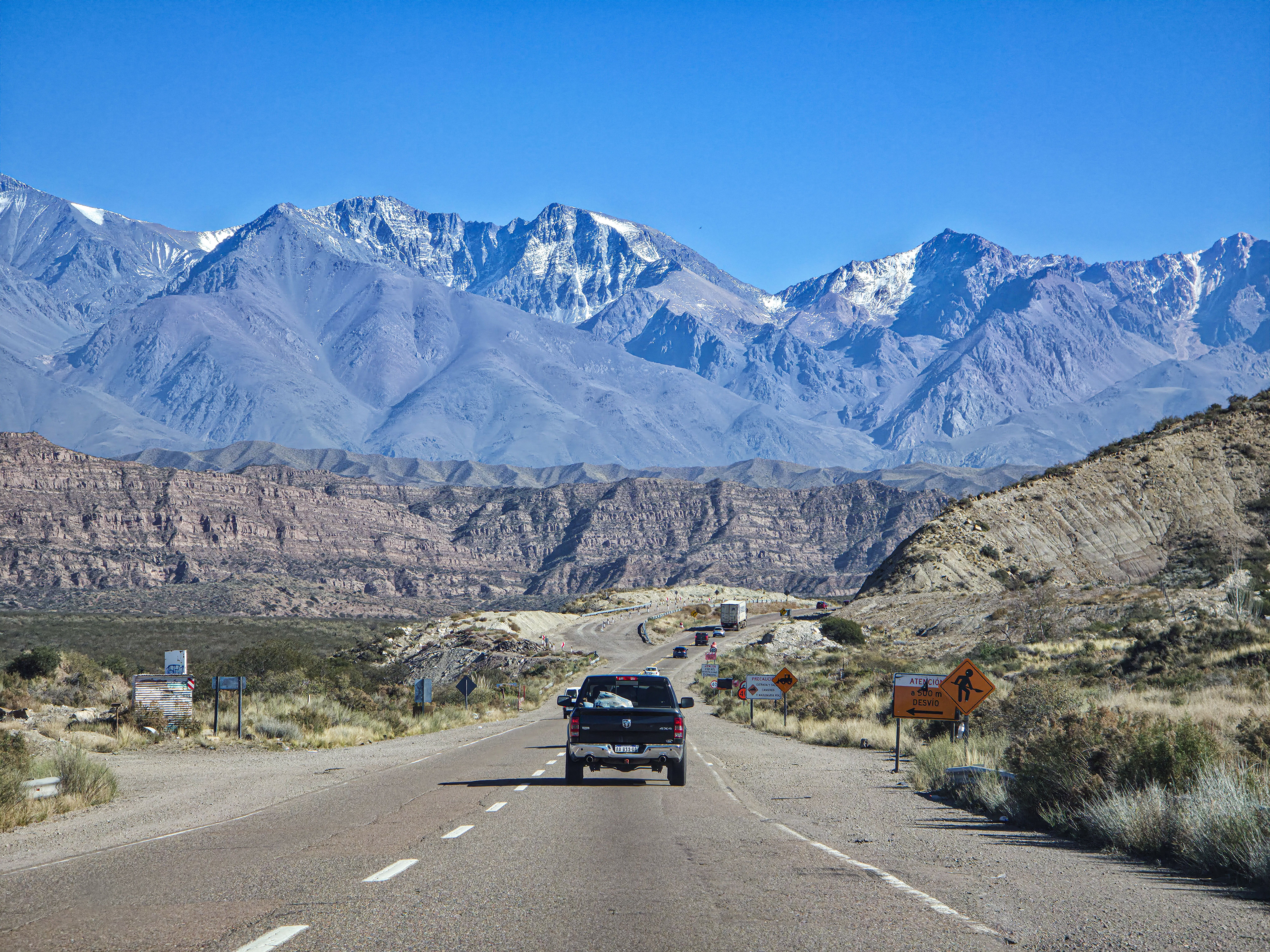
Drive out along any long peninsula and the filling stations become scarce well before the road ends. The pattern is economic and it is worth planning around.
Throughput determines whether a station survives
Fuel retailing runs on thin margins per litre, so a station depends on volume. It needs a steady stream of vehicles rather than an occasional one.
Traffic on a peninsula road diminishes with every mile, because each side turning removes some of the vehicles and none are added from beyond the tip.
Past a certain point the remaining flow cannot support a site, and the station closes even though the road continues and people still live along it.
Delivery costs rise as the road narrows
Tankers have to reach the site, and on a peninsula that means a long return journey on roads that may be narrow, steep or seasonally congested.
Delivery cost is spread across a smaller volume than at a busy site, so the price per litre at the far end is higher even where the operator is not profiteering.
Smaller tanks also mean more frequent deliveries, which compounds the problem and occasionally leads to a station running dry in peak season.
Seasonality makes the picture unstable
Many remote stations exist because of summer traffic and would not survive on winter demand alone. Their opening hours contract sharply out of season.
A pump that is open until late in August may close in the early afternoon in November, and some sites shut entirely for months.
Relying on a station you passed on a previous trip is therefore risky, since it may be operating on a completely different timetable.
Payment arrangements catch drivers out
Remote sites increasingly run unmanned outside core hours, dispensing only to cards read at the pump, which fails for some foreign cards and some fuel cards.
Others remain attended and cash-friendly but keep short hours, which is the opposite failure mode and equally capable of stranding someone.
Electric drivers face a parallel version of the same problem, since charging points thin out for the same reasons and a single broken unit removes the only option.
How experienced drivers handle it
The working rule is to fill up at the last substantial town rather than at the last station, since the town will have competition, longer hours and a functioning card system.
Treating half a tank as empty once the road narrows removes almost all of the risk, and costs nothing beyond a few minutes.
The alternative is discovering the arithmetic at the far end of a headland on a Sunday evening, which is a specific and avoidable kind of trouble.