
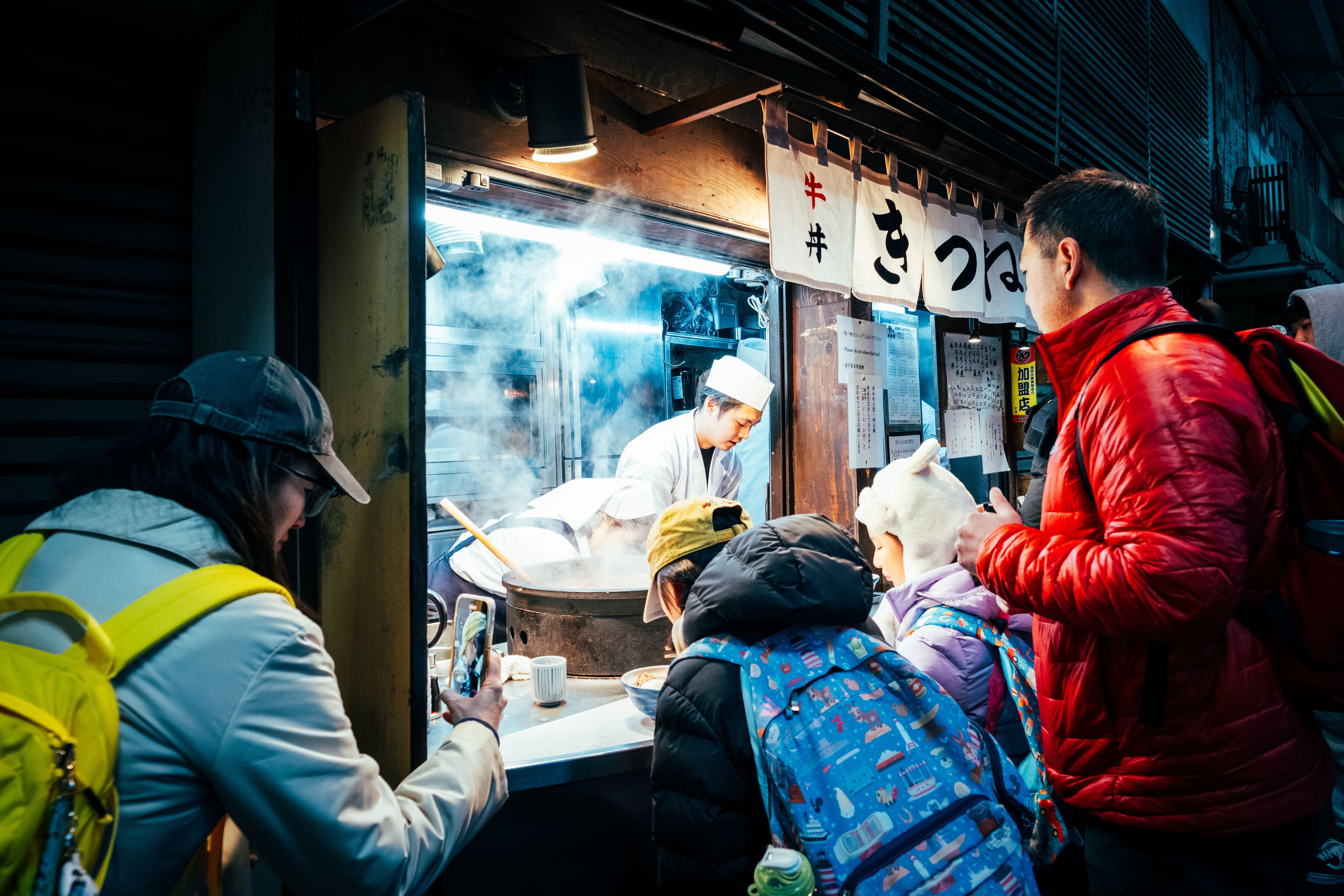
A restaurant on a working quay often has a menu that differs from one day to the next, sometimes substantially. The variation is driven by whether boats could work, and where.
Small boats stop before big ones do
Inshore vessels working close to the coast are the most weather-limited part of any fleet, and they are also the ones supplying local restaurants directly.
A wind that a large trawler would ignore keeps small day boats in harbour, because the crossing to the grounds and the working of gear both become unsafe.
So a run of rough days empties the local supply while the wholesale market, fed by larger vessels landing elsewhere, continues largely unaffected.
Different gear fails in different conditions
Pots for crab and lobster can be left down through poor weather, but they cannot be hauled, so the catch exists and simply cannot be landed.
Net fisheries are more directly affected, since shooting and recovering nets requires manageable sea state and visibility as well as a workable tide.
Line fishing and diving for shellfish are the most sensitive of all, which is why hand-dived scallops disappear from menus first and return last.
Swell matters more than wind on the day
A calm morning after a windy night can still be unworkable, because swell generated offshore continues to arrive long after the wind that produced it has dropped.
Harbour entrances shallow enough to break in swell close effectively even in light airs, which is why a fleet can be stuck on an apparently pleasant day.
Restaurants near such harbours learn to read the forecast for period and direction rather than for wind speed, and their ordering follows that reading.
Menus are written to absorb the uncertainty
The usual response is a short printed menu of dependable dishes plus a board listing whatever landed that morning, changed daily by hand.
That structure lets the kitchen commit to nothing it cannot obtain, and it is the clearest signal that a restaurant is buying from the quay rather than from a supplier.
A large laminated menu offering a dozen species year-round is telling you something different, and neither approach is wrong so long as the diner reads it correctly.
What this means for choosing where to eat
The best value on a harbour menu is usually whatever is most abundant that week, which is also what the kitchen has had most practice cooking recently.
Asking what came in that morning is a reasonable question in a place that lands its own fish, and the answer tends to be specific rather than evasive.
After a stretch of hard weather, the sensible order is shellfish that keeps or something that was frozen at sea, rather than a species the fleet plainly could not have reached.