

Imagine stepping onto soft sand where the only footprints are yours. No blaring music. No endless rows of umbrellas. Just the gentle sound of waves and a horizon that feels endless.
That’s exactly what more travelers are chasing in 2026. The days of fighting for space on famous beaches like Bali’s Kuta or Spain’s Costa del Sol are fading fast. People are quietly shifting toward lesser-known coastal corners that offer real peace, authentic experiences, and room to breathe.
Have you ever felt exhausted just planning a beach trip because of the crowds? You’re not alone. This year, a growing number of vacationers are saying no to overtourism and yes to hidden coastal spots that still feel undiscovered. Hidden coastal spots 2026
What’s Driving the Shift Away from Crowded Beaches?
Post-pandemic travel changed us. Many of us returned to beaches craving relaxation, only to find chaos—traffic jams, packed shorelines, and beaches that felt more like events than escapes. Social media played a big role too. Everyone posts the same iconic spots, turning them into crowded hotspots almost overnight.
Overtourism has real consequences: higher prices, strained local resources, and a loss of that magical “away from it all” feeling. In 2026, travelers want more than a tan. They want space, authenticity, and places that don’t make them feel like just another tourist in a sea of selfie sticks.
Here’s the surprising part: this shift isn’t just about avoiding lines. It’s about rediscovering the joy of slow travel—lingering over fresh seafood with locals, watching sunsets without a crowd, and actually hearing the ocean. Hidden coastal spots 2026
Did you know that some once-quiet destinations now see more visitors in peak season than residents? No wonder people are looking elsewhere.
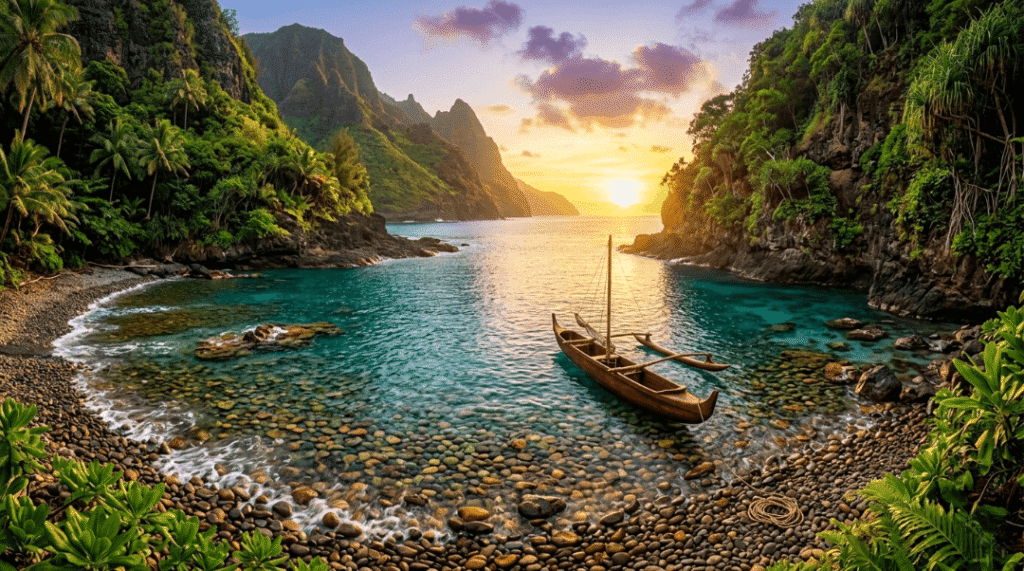
Why Hidden Coastal Spots Matter More Than Ever in 2026
These underrated places aren’t just backups. They often deliver better experiences at lower costs, with fewer environmental impacts. Many support smaller communities directly, helping preserve local culture and nature. Hidden coastal spots 2026
Travelers report feeling more refreshed after trips to these spots. There’s something deeply restorative about having space to think, move, and connect—whether with nature, your travel companions, or yourself.
In the next 3–6 months, as summer approaches in both hemispheres, expect even more buzz around these hidden gems. Early adopters are already booking them, knowing that once word spreads widely, the quiet won’t last forever.
Albania’s Riviera: Mediterranean Beauty Without the Price Tag
Tucked along the Ionian Sea, places like Dhërmi and Ksamil offer turquoise waters, dramatic cliffs, and white-pebble beaches that rival Greece—minus the massive crowds and costs.
Imagine hiking down to Gjipe Beach, a secluded cove nestled between towering cliffs. The water is so clear you can see every pebble on the bottom. Locals still fish here, and evenings bring simple tavernas serving grilled octopus and cold beer.
Why it works in 2026: Albania remains one of Europe’s most affordable coastal destinations. Tourism is growing steadily but hasn’t overwhelmed these villages yet. You can enjoy fresh, affordable meals and friendly conversations with residents who haven’t grown tired of visitors.
Pro tip: Visit in shoulder seasons (late spring or early fall) for even more solitude and better deals.
Mexico’s Bacalar and Isla Pasión: Caribbean Calm Redefined
Forget Cancun’s party scene. Head inland to Bacalar, known as the Lagoon of Seven Colors. Its calm, shallow waters shift from turquoise to deep blue in mesmerizing patterns. Kayak or simply float—there’s no rush here. Hidden coastal spots 2026
Off Cozumel, Isla Pasión stands out as a white-sand marine reserve with pristine snorkeling. In 2026, it ranked among the world’s top beaches for its seclusion and direct access to the Mesoamerican Reef. Reach it by short boat ride and feel like you’ve discovered a secret island.
The real magic? These spots emphasize nature over nightlife. You’ll spot birds, maybe even manatees, and return home with stories that don’t sound like everyone else’s vacation reel.
Thailand’s Koh Yao Noi: Quiet Island Life Done Right
While Phuket and Koh Samui buzz with activity, Koh Yao Noi moves at a slower pace. Rubber plantations, traditional fishing villages, and long stretches of quiet beach define this gem in the Andaman Sea.
Stay in simple beach bungalows or eco-lodges. Cycle through the island, stop for fresh mango at roadside stalls, and watch long-tail boats glide across calm waters at sunset. The crowds? Almost nonexistent compared to its famous neighbors. Hidden coastal spots 2026
This spot perfectly captures the trend toward mindful travel—less consumption, more connection.
Costa Rica’s Osa Peninsula: Wild and Untouched
For those craving adventure mixed with beach time, the Osa Peninsula delivers. Remote, biodiverse, and home to some of the country’s most pristine shores, it feels like stepping into a nature documentary.
Hike through rainforest to reach hidden beaches where scarlet macaws fly overhead. Snorkel in warm waters or simply unwind listening to howler monkeys in the distance. It’s raw, real, and far from any resort strip.
Travelers choosing Osa in 2026 often mention the deep sense of peace that comes from being surrounded by untouched wilderness. Hidden coastal spots 2026
Florida’s Lesser-Known Shores: Domestic Hidden Gems
You don’t always need a passport. Navarre Beach on Florida’s Gulf Coast earns its nickname as “Florida’s Most Relaxing Place.” Sugar-white sand, emerald waters, and a laid-back vibe make it ideal for unplugging.
Further south, Manasota Key and Longboat Key offer barrier island calm with fewer high-rises and more natural dunes. These spots prove that even in popular states, quiet coastal corners still exist—if you know where to look. Hidden coastal spots 2026
Vis Island, Croatia: Adriatic Secret
While Dubrovnik overflows, Vis Island keeps its charm intact. Over 100 beaches, many accessible only by boat or short hike, dot its coastline. The island’s remoteness has protected it from mass tourism.
Explore hidden coves, enjoy fresh seafood caught that morning, and wander car-free villages. It feels like the Mediterranean used to—authentic, unhurried, and deeply refreshing.
The Pros and Cons of Choosing Hidden Coastal Spots
Pros:
- More personal, authentic experiences
- Often significantly cheaper
- Better for mental well-being and nature preservation
- Chance to support local economies directly
- Unique stories and memories
Cons (and how to handle them):
- Fewer luxury amenities (solution: embrace simplicity or choose boutique eco-stays)
- Harder to reach (solution: plan extra travel time and enjoy the journey)
- Less English spoken in some spots (solution: learn basic phrases—locals appreciate the effort)
The trade-offs usually feel worth it once you arrive and realize how rare true peace has become.
What the Next 3–6 Months Hold for Beach Travel
As awareness grows through word-of-mouth and thoughtful travel content, more people will discover these spots. Early 2026 summer bookings already show increased interest in Albania, lesser-known Mexican lagoons, and quiet Thai islands. Hidden coastal spots 2026
Sustainability will play a bigger role. Travelers are becoming more conscious about their impact, favoring places with lighter footprints. Hidden coastal spots 2026
The future outlook? A more balanced travel landscape where popular spots get breathing room and hidden gems thrive responsibly—if we visit mindfully.
Actionable Tips to Plan Your Hidden Coastal Escape
- Research shoulder seasons for the best mix of good weather and low crowds.
- Book small, locally-owned accommodations instead of big chains.
- Support community-based tours and eat at family-run restaurants.
- Pack light and prepare for simpler facilities—think of it as part of the adventure.
- Leave no trace. These places stay special only if we protect them.
Ask yourself: When was the last time a beach trip left you feeling truly restored? Maybe it’s time to try something different.
The Emotional Pull of Quiet Shores
There’s something profoundly human about craving space by the sea. In a noisy, connected world, hidden coastal spots remind us to slow down, listen, and simply be.
These aren’t just beaches. They’re places where memories form naturally—laughing over a shared meal with new friends, watching dolphins at dawn, or reading a book without distractions.
Travelers who make the switch often say they’ll never go back to the old crowded model. The peace is addictive.
What about you? Are you ready to trade the familiar chaos for a coastal spot that feels like it was waiting just for you?
7. FAQs
Why are travelers avoiding crowded beaches in 2026? Many people feel burned out by overtourism—long waits, high prices, and lost serenity. Hidden coastal spots offer space, authenticity, and better value while supporting smaller communities.
What makes a coastal spot “hidden” in 2026? These are underrated destinations with beautiful beaches but limited mainstream marketing, fewer large resorts, and a focus on local culture and nature rather than mass tourism.
Are hidden coastal spots more expensive or cheaper? Usually more affordable. You’ll often find lower accommodation and meal costs, though remote access may add slight transport expenses.
Which hidden coastal spot is best for families? Bacalar in Mexico or Navarre Beach in Florida offer calm waters, natural beauty, and relaxed vibes suitable for all ages without overwhelming crowds.
How can I keep these places special for future visitors? Choose responsible operators, minimize waste, respect local customs, and avoid sharing exact locations on social media if it risks increasing pressure on fragile areas.